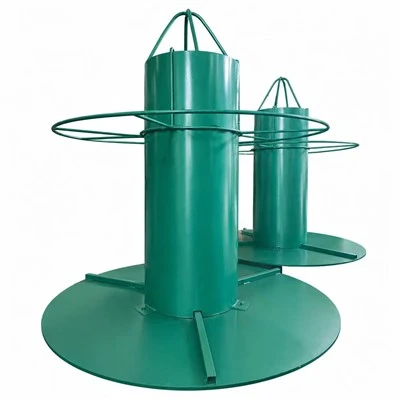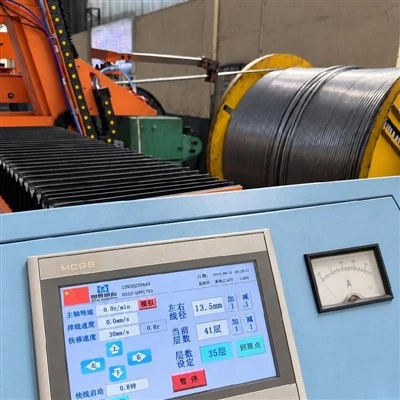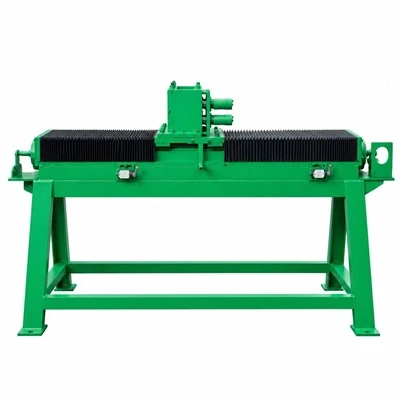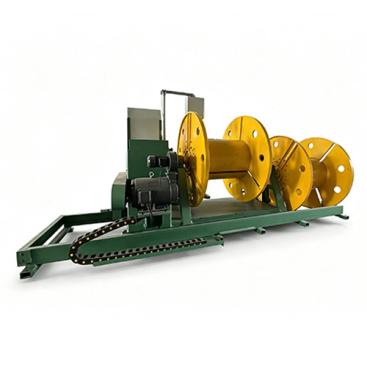

Baoding Sitai Induction Heating Equipment Manufacturing Co., Ltd. is one of the leading manufacturers and suppliers of wire straightening machine in China. We are committed to providing high quality customized products with competitive price. Welcome to contact us for quotation.
Stable Wire Straightening Solution for High-Quality Cored Wire Processing
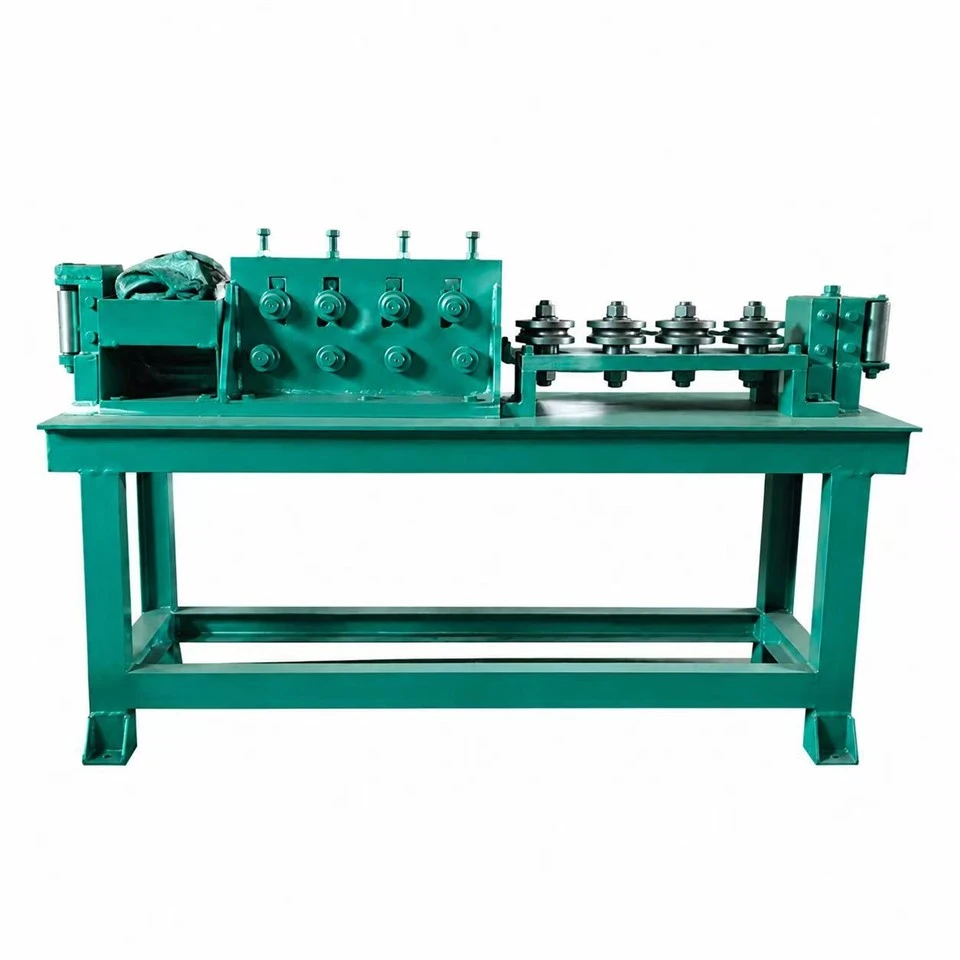
The Passive Wire Straightening Machine is designed for the straightening and guiding process in cored wire production lines. It is installed after the forming, welding, or sizing process to correct minor bending and deformation of finished wire, ensuring smooth wire feeding and improved product appearance.
The machine adopts a passive mechanical straightening structure, using the movement force of the continuously running wire itself without requiring an additional drive system. This design provides a simple, reliable, and low-maintenance solution for continuous cored wire production.
Main Features
Passive Straightening Design
The equipment operates through the pulling force of the production line, without an independent power drive system, reducing energy consumption and simplifying the overall production line structure.
01
Improved Wire Straightness
The adjustable straightening mechanism helps eliminate residual bending and improves the linearity of the finished cored wire, supporting stable downstream collection and packaging.
02
Adjustable Wire Guiding System
The straightening rollers or guiding components can be adjusted according to different wire diameters and production requirements, ensuring better compatibility with various cored wire specifications.
03
Compact and Reliable Structure
With a rigid mechanical frame and simple design, the machine offers reliable operation, easy adjustment, and convenient maintenance for long-term industrial use.
04
Suitable for Continuous Production
The passive working mode allows stable operation in automatic cored wire production lines, helping improve production efficiency and product consistency.
05
Applications
The Passive Wire Straightening Machine is mainly used in:
- Seamless cored wire production lines
- Welded cored wire production lines
- Metal powder filled wire manufacturing systems
- Continuous wire forming and collection equipment
Technical Advantages
- Passive mechanical operation, no additional drive required
- Improves finished wire straightness and appearance
- Adjustable for different wire specifications
- Low maintenance and reliable performance
- Easy integration into automatic production lines
Customized Production Line Solutions
SITAI provides complete cored wire production solutions, including strip pay-off units, powder filling systems, welding equipment, wire sizing machines, straightening units, and finished wire coiling systems.
According to different wire diameters, raw materials, production speeds, and customer requirements, SITAI can provide customized equipment designs to achieve stable and efficient cored wire manufacturing.
SITAI - Professional Manufacturer of Cored Wire Production Equipment and Industrial Automation Solutions
Frequently Asked Questions
Q: Why use a passive straightener instead of a powered straightening machine?
A: A passive unit uses the line's existing pulling force, so it can correct residual curvature without adding another driven speed axis. This keeps the section mechanically simple and avoids creating a speed mismatch with the cored wire line. It is suitable when the required correction can be achieved by controlled bending through rollers; products needing heavy reduction or active traction may require a different design.
Q: How are the straightening rollers adjusted for a new wire diameter?
A: Start by centering the wire through the roller set, then apply small, progressive corrections rather than forcing the product sharply at one point. The goal is to remove the dominant curvature while preserving the finished cross section. After adjustment, inspect straightness and diameter and make sure the wire passes without rubbing a roller flange. A setup record helps reproduce the condition during the next run.
Q: Can excessive straightening pressure damage a cored wire?
A: Yes. Over-bending can flatten the sheath, stress a welded or locked seam, or disturb the core material. If the wire becomes straight only after large roller penetration, investigate the source of curvature upstream, including coiling memory, sizing alignment or guide position. The straightener should make a controlled correction, not compensate for a severe geometry problem created elsewhere in the line.
Q: What is a useful way to measure straightness after the machine?
A: Define a consistent inspection length and support method, then measure the maximum deviation from a straight reference or use the customer's established straightness standard. The same method should be used before and after adjustment. Visual inspection alone can be misleading because a long wire may appear straight while still having periodic curvature that affects downstream guiding or packaging.
Q: Why can straightness change when production speed increases?
A: At higher speed, guide vibration, changing pulling force or dynamic movement between machines can alter how the wire enters the rollers. A passive straightener itself has no independent speed command, so the entry path and upstream tension become especially important. If the defect is speed-dependent, observe the wire immediately before the first roller and check for oscillation rather than only tightening the roller set.
Q: Where should a passive straightener be positioned in a cored wire line?
A: It is normally placed where the wire geometry has already been established but before the final handling stage that benefits from a controlled straight path. The exact location depends on sizing, annealing, cooling and take-up arrangement. Sufficient straight entry and exit distance should be provided so adjacent guides do not fight the correction made by the roller set.
Q: What maintenance is most important on a passive straightener?
A: Keep roller surfaces clean, check bearing freedom, verify the adjustment mechanism and confirm that the frame remains aligned with the line center. A seized or grooved roller can mark the wire even though the machine has no motor. Periodically compare left and right settings because accidental adjustment after maintenance is a common source of renewed curvature.
Hot Tags: wire straightening machine, China wire straightening machine manufacturers, suppliers, factory