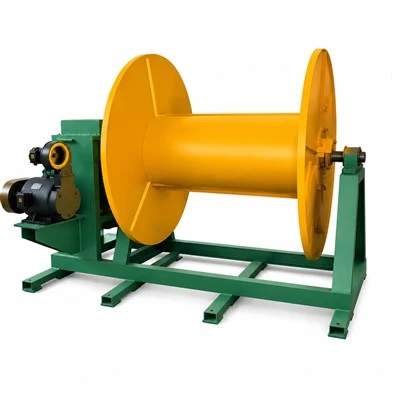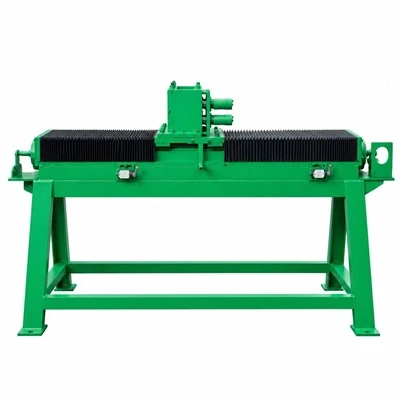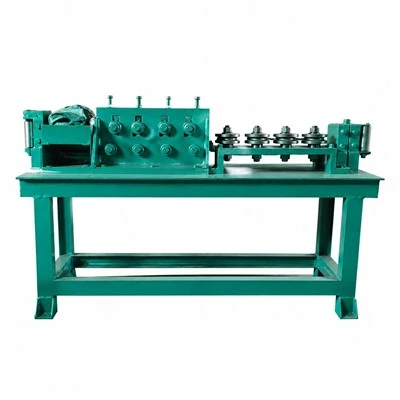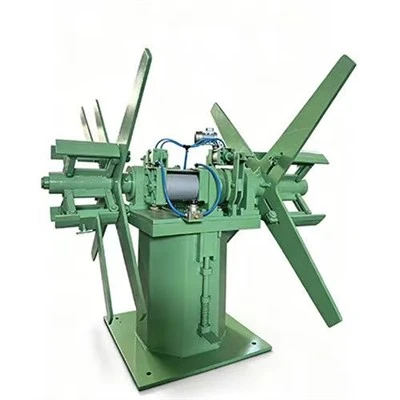


Baoding Sitai Induction Heating Equipment Manufacturing Co., Ltd. is one of the leading manufacturers and suppliers of automatic wire coiling machine in China. We are committed to providing high quality customized products with competitive price. Welcome to contact us for quotation.
A cored wire coiler must handle the finished product without creating excessive bending, crushing, overlap or unstable tension. Compared with general cable-coiling machines, metallurgical cored wire equipment has to consider wire stiffness, outside diameter, sheath integrity, coil weight and the operating rhythm of the production line. SiTai configures the winding drum or reel, traversing stroke, drive system and control logic around the customer's finished wire and required coil format.
Key Features
- Automatic take-up for continuous metallurgical cored wire production.
- Winding speed synchronized with upstream line speed to reduce tension fluctuation.
- Controlled traversing system for orderly wire distribution across the coil width.
- Adjustable winding parameters for different coil formats and production recipes.
- Drive torque selected according to wire diameter, coil size and maximum coil weight.
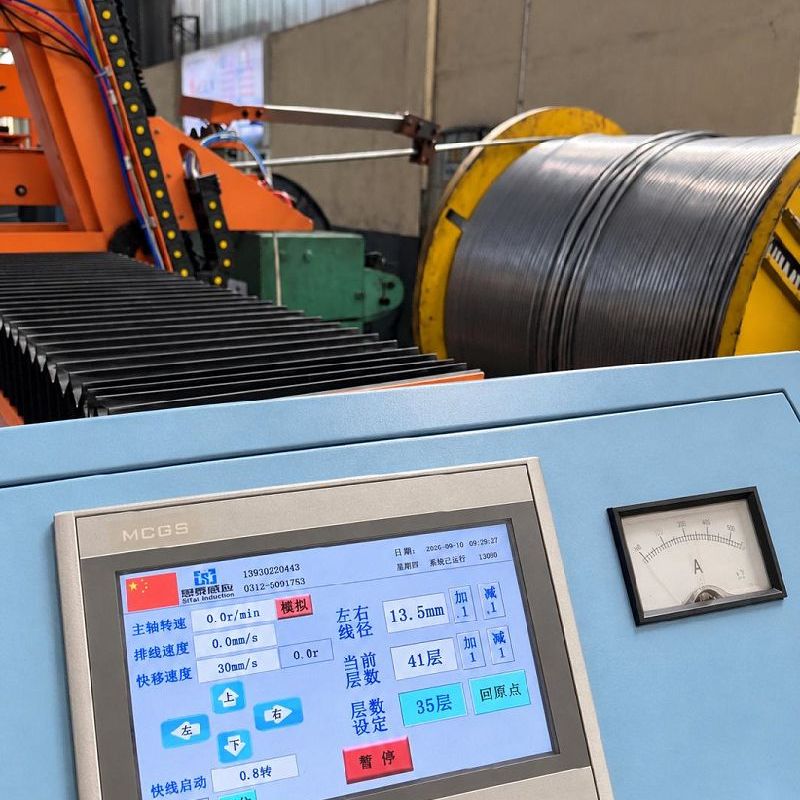
- Operator controls for start, stop, jog, speed adjustment and product changeover.
- Safety guarding and emergency-stop functions configured with the final machine layout.
- Can be integrated with upstream straightening, inspection and production-line control.
Typical System Configuration
|
Module / Component |
Function |
|
Coiling / Winding Unit |
Provides controlled rotational take-up of the finished cored wire. |
|
Traversing System |
Guides the wire across the coil width to improve winding order and coil stability. |
|
Drive & Transmission |
Sized for required torque, speed range and coil weight. |
|
Wire Guide |
Controls the wire entry point and reduces uncontrolled lateral movement. |
|
Tension / Synchronization Control |
Coordinates the coiler with the upstream production speed. |
|
Operator Panel |
Provides production settings, manual control and status indication. |
|
Safety System |
Includes machine guarding and interlocks as defined in the project. |
Applications
- Seamless welded cored wire production lines
- Mechanically closed metallurgical cored wire lines
- Calcium and alloy cored wire take-up, subject to product geometry
- New-line automation
-
Replacement of manual or unstable take-up equipment
Technical Parameters
Final technical parameters are confirmed according to the customer's product drawing, material, required output and factory conditions. The table below defines the main engineering inputs without creating unverified fixed claims.
|
Parameter |
Configuration / Required Data |
|
Finished wire diameter |
Project-specific |
|
Wire type |
Metallurgical cored wire |
|
Coil inner diameter |
Customer-defined |
|
Coil outer diameter |
Customer-defined |
|
Coil width |
Customer-defined |
|
Maximum coil weight |
Customer-defined |
|
Winding speed |
Matched to line speed |
|
Traversing method |
Configured for required coil build |
|
Control interface |
Standalone or integrated with complete line |
Why Choose SiTai
Focused on metallurgical cored wire rather than electrical cable packaging.
01
Coiling mechanics are selected according to wire stiffness, coil dimensions and sheath protection requirements.
02
Line synchronization reduces unnecessary tension changes and production interruptions.
03
Custom coil geometry can be designed around the customer's downstream handling method.
04
Integration is available for SiTai lines and suitable third-party production lines after interface review.
05
What We Need to Prepare a Technical Proposal
For a fast and accurate proposal, please send the relevant product drawing and the following information: Finished wire diameter, Wire type, Coil inner diameter, Coil outer diameter, Coil width, Maximum coil weight. Existing-line photos, layout drawings and destination-country electrical requirements are also helpful for retrofit or integration projects.
Request a Custom Solution
Send your product drawing, material specification, production range and target output to SiTai. Our engineering team will review the process and recommend a machine configuration matched to your application.
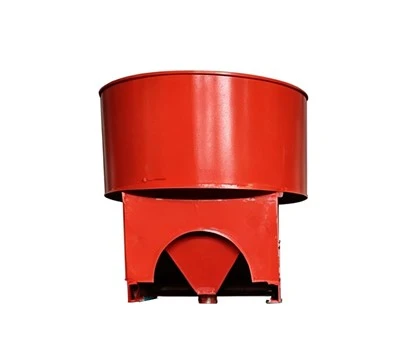
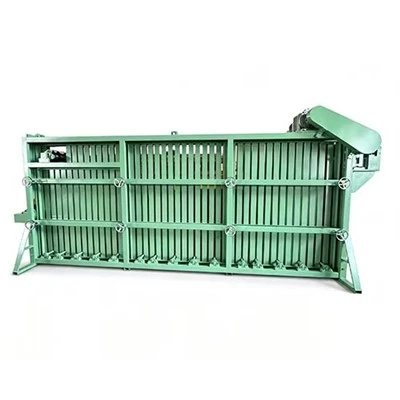
- cored wire coiling machine manufactured by SiTai
- SiTai Automatic Wire Coiling Machine industrial equipment
- cored wire coiling machine for customized production line
Frequently Asked Questions
Q: What finished-coil information is needed before selecting an automatic coiling machine?
A: Provide the required coil inner diameter, outer diameter, width, maximum coil weight, whether a spool is used and how the coil will be lifted or packed after winding. These details determine the coiling head, support structure and release arrangement. The wire diameter and minimum acceptable bending radius are equally important because a mechanically convenient coil can still damage the finished cored wire if it is wound too tightly.
Q: How does automatic traversing improve a cored wire coil?
A: Traversing distributes successive turns across the usable coil width instead of allowing wire to pile at one point. The traverse pitch, reversal position and winding speed must be coordinated with wire diameter and coil geometry. A well-built coil is easier to handle and unwind later, but an overly aggressive traverse can push the wire sideways, so the guide path should remain smooth throughout the stroke.
Q: Can the coiling machine make different package formats?
A: Multiple coil formats can be supported when the mechanical adjustment range, traverse stroke and drive capacity cover the requested sizes. Changeover may involve moving stops, entering a new recipe or replacing a mandrel or spool interface. The required formats should be listed during engineering so the design includes the correct release and handling method instead of relying on manual improvisation after installation.
Q: Why can a finished coil become loose after it is removed from the machine?
A: The wire stores elastic energy while being bent around the coiling diameter. If winding tension, coil diameter or the release method is unsuitable, the package can expand when restraint is removed. The solution may involve a different winding setting, temporary retention, strapping or a revised coil geometry. The correct method depends on the stiffness of the finished wire and the customer's packing process.
Q: Does automatic coiling also mean automatic cutting and strapping?
A: Not necessarily. Take-up, traverse, cutting, strapping, coil discharge and pallet handling are separate functions and should be listed explicitly in the agreed scope. A customer who needs minimal manual intervention should describe the complete end-of-line sequence, including what happens when the target coil length or weight is reached.
Q: How can the machine avoid crushing or flattening a finished cored wire?
A: Use a coiling diameter and winding tension appropriate for the product, keep guides free of sharp edges, and prevent local pinching where the wire enters the package. If the wire is welded or mechanically closed, inspect both outside geometry and seam condition after winding. The coiler should handle the product as a finished metallurgical wire, not as a flexible electrical cable that can tolerate tight bends.
Q: What should be verified before approving a new coiling recipe?
A: Run enough wire to build several complete layers and check coil width, edge build-up, turn spacing, package stability and the condition of the wire after unwinding a sample. Also verify start, stop and target-completion behavior. A recipe is qualified when the full package can be made and handled consistently, not simply when the first layer looks orderly.
Hot Tags: automatic wire coiling machine, China automatic wire coiling machine manufacturers, suppliers, factory